Trails & Hikes · East Rim

East Rim Trail

A strenuous climb to a high sandstone plateau on Zion's east side, passing Stave Spring on the way to the junction with the Deertrap and Cable Mountain trails. 5.9 miles one-way, no permit - and, since a major rockfall closed the connection to Zion Canyon, reached from the East Rim Trailhead only.

5.9 mi One Way
1,000 ft Elevation Gain
Full Day Typical Time
Strenuous Difficulty
East Rim Trailhead Trailhead
Not Required Permit

Overview

The East Rim Trail climbs out of Zion's east side to a high sandstone plateau, with views of cliffs in every direction opening up as the trail gains elevation. Along the way it passes Stave Spring and continues to the junction with the Deertrap and Cable Mountain trails, a high-country crossroads well above the canyon floor.

Historically the East Rim Trail also connected down to Zion Canyon, but major rockfall has closed that connection. The trail no longer works as a way to descend into the canyon, so today it is accessed from the East Rim Trailhead only - a strenuous plateau hike in its own right rather than a link between the canyon floor and the rim.

This makes the East Rim Trail a quieter, more remote alternative to the crowded canyon-floor trails: a full day of hiking across open high country, with none of the shuttle stops or crowds of Zion Canyon.

Coming Soon from bestofzion.com

The Route

From the East Rim Trailhead, the trail climbs steadily toward the plateau, gaining roughly 1,000 feet of elevation over the 5.9-mile one-way distance. It is a sustained, strenuous effort rather than a short scramble - budget a full day for the out-and-back, since the same distance and gain apply on the return.

Along the way, the trail passes Stave Spring before reaching the junction with the Deertrap and Cable Mountain trails, where hikers with the time and interest can extend the day onto either of those routes. The plateau itself is open, high sandstone country, with cliffs and long views in every direction rather than a single defined overlook.

Because the historic connection down to Zion Canyon is closed by rockfall, this is an out-and-back from the East Rim Trailhead rather than a through-hike - plan your day accordingly and expect to return the way you came.

What to Bring

  • Plenty of water - a full day of climbing across an exposed plateau burns through it fast, and you should not count on Stave Spring as a reliable source.
  • Sturdy hiking boots - the sustained climb and uneven high-country terrain call for real support underfoot, not casual footwear.
  • Sun protection - the plateau offers little shade; a hat, sunscreen, and sun-protective clothing all matter for a full day out here.
  • A full day's worth of food and layers - this is a long, strenuous outing with real elevation gain, and conditions on an exposed plateau can change quickly.

Best Time to Go

Spring and fall offer the most comfortable temperatures for a long, strenuous climb with little shade along the way. Summer heat is a serious hazard on an exposed sandstone plateau, and an early start matters more here than on shorter, shaded trails elsewhere in the park. Winter can bring snow and ice to the higher plateau, so check current conditions before heading out in the colder months.

Safety

  • Respect the rockfall closure - the former connection to Zion Canyon is closed for a reason. Do not attempt to work around it; access this trail from the East Rim Trailhead only.
  • Sustained elevation gain - 1,000 feet of climbing over 5.9 miles one-way adds up to a genuinely strenuous full day, especially on the return leg.
  • Little shade, real heat - the plateau is largely exposed, so carry more water than you think you'll need, particularly in summer.
  • Do not rely on Stave Spring - conditions there are not something we track, so treat it as scenery rather than a resupply point unless you have confirmed current conditions.

Hiking Essentials

A daypack, walking stick, water, and light - the essentials for a full-day Zion hike. Best of Zion earns from qualifying Amazon purchases, at no extra cost to you.
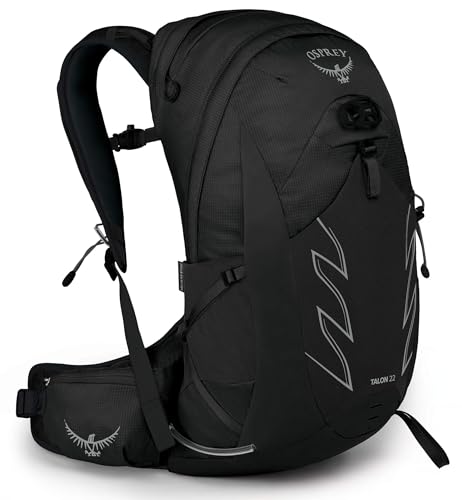
Osprey Talon 22 Hiking Daypack
Daypack

Osprey Talon 22 Hiking Daypack

by Osprey

View on Amazon →
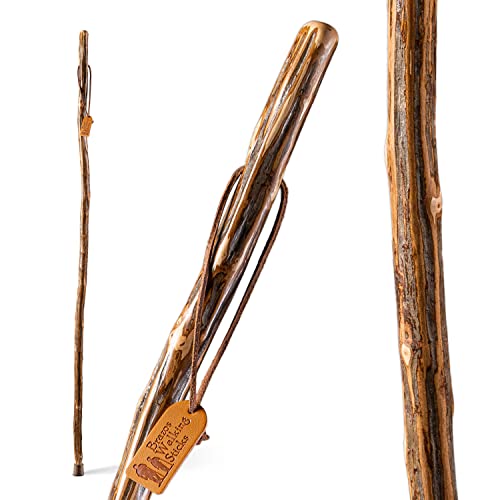
Brazos Handcrafted Wood Walking Stick
Walking stick

Brazos Handcrafted Wood Walking Stick

by Brazos

View on Amazon →
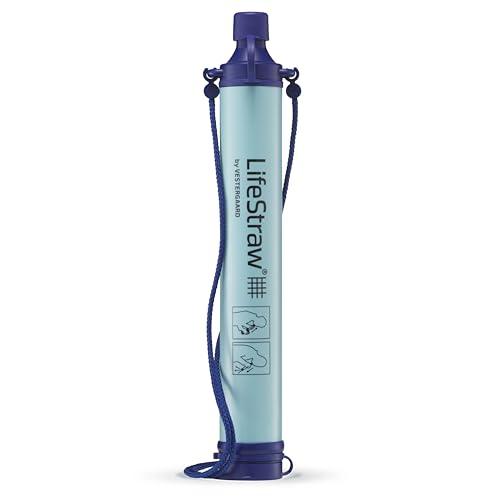
LifeStraw Personal Water Filter
Water filter

LifeStraw Personal Water Filter

by LifeStraw

View on Amazon →
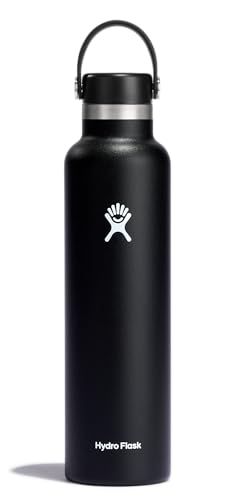
Hydro Flask 24 oz Water Bottle
Water bottle

Hydro Flask 24 oz Water Bottle

by Hydro Flask

View on Amazon →
Nuun Sport Electrolyte Tablets
Electrolytes

Nuun Sport Electrolyte Tablets

by Nuun

View on Amazon →
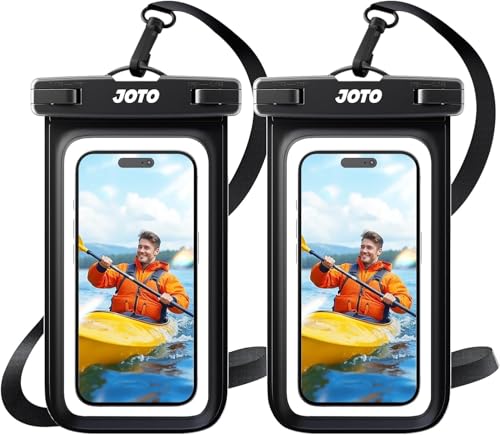
JOTO Waterproof Phone Pouch (2-Pack)
Waterproof phone pouch

JOTO Waterproof Phone Pouch (2-Pack)

by JOTO

View on Amazon →
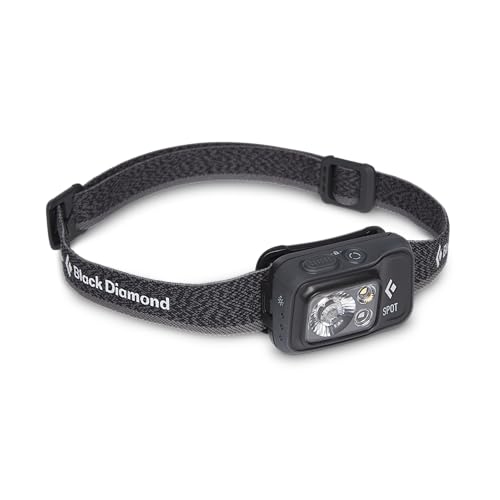
Black Diamond Spot 400 Headlamp
Headlamp

Black Diamond Spot 400 Headlamp

by Black Diamond

View on Amazon →
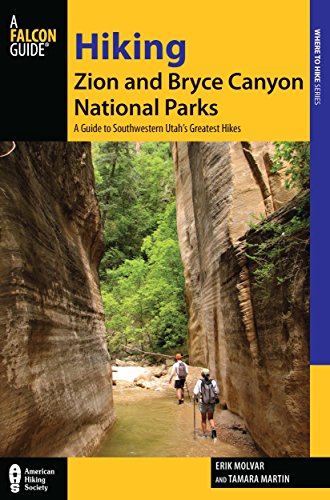
Hiking Zion & Bryce Canyon National Parks
Trail guide

Hiking Zion & Bryce Canyon National Parks

by FalconGuides

View on Amazon →

East Rim Trail FAQs

Can I still reach Zion Canyon by hiking the East Rim Trail?

No. Major rockfall has closed the connection between the East Rim Trail and Zion Canyon, so the trail no longer works as a way down to the canyon floor from the plateau. Access today is from the East Rim Trailhead only - treat this as a there-and-back on the plateau itself, not a route into the canyon.

Where does the East Rim Trail start?

From the East Rim Trailhead, on the park's east side along the Zion-Mt. Carmel Highway corridor. This is the only current access point for the trail, since the historic Zion Canyon connection is closed by rockfall.

Do I need a permit for the East Rim Trail?

No. The East Rim Trail does not require a permit. It is a long, strenuous day out, but the obstacle is distance and elevation gain, not paperwork.

What will I see at the top of the East Rim Trail?

The trail climbs to a high sandstone plateau with views of cliffs in every direction, passing Stave Spring along the way and reaching the junction with the Deertrap and Cable Mountain trails. It is open, high-country terrain rather than a single dramatic overlook - a different kind of payoff than the canyon-floor hikes.