Zion National Park
Wildlife of Zion
Zion is home to 68 mammal species, 291 bird species, and 44 species of reptiles and amphibians. Some - like mule deer and wild turkeys - are nearly guaranteed sightings. Others, like the California condor, are once-in-a-trip moments you'll never forget.
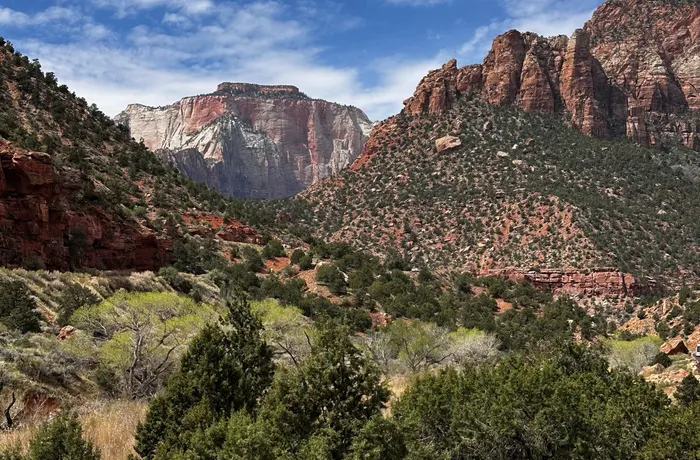
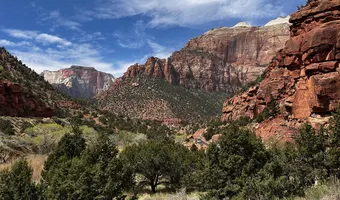
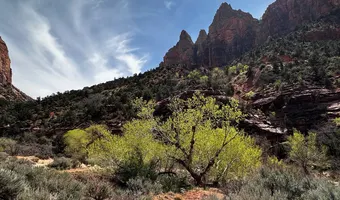
Desert Bighorn Sheep
Ovis canadensis nelsoni
The desert bighorn sheep is Zion's signature wildlife encounter. Agile, sure-footed, and surprisingly unbothered by humans, these animals navigate sheer sandstone cliffs with a calm confidence that stops hikers in their tracks.
Bighorns were largely extinct in southwestern Utah by 1960, the result of overhunting and disease. In 1978, fourteen sheep were reintroduced into Zion - the herd has since grown to over 500 animals, one of the great conservation success stories in the American Southwest.
The males (rams) carry massive curved horns that can weigh more than 30 pounds - nearly as much as all their other bones combined. During the fall rut, rams charge each other at speeds up to 40 mph, their clashes echoing across the canyon walls. Females (ewes) and juveniles tend to form separate herds, and are often seen grazing on canyon ledges that seem impossibly narrow.
Mule Deer
Odocoileus hemionus
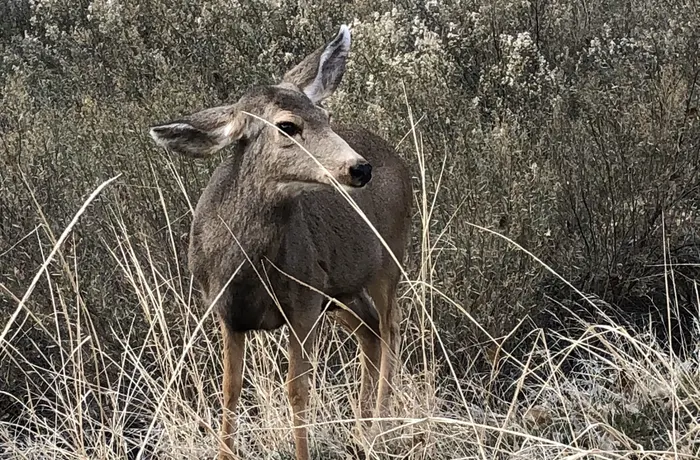
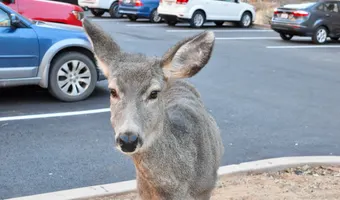
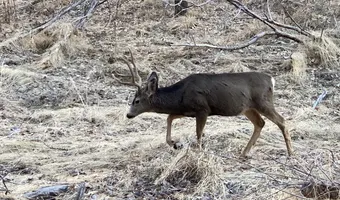
If you see only one animal at Zion, it will almost certainly be a mule deer. The park's canyon floor is prime habitat - sheltered, well-watered, and rich with vegetation - and deer move through it constantly. They're named for their large, mule-like ears, which swivel independently and give them exceptionally sharp hearing.
Mule deer in Zion are famously unbothered by people. It's not unusual to find them grazing in the Visitor Center parking lot, standing calmly beside the shuttle stops, or wandering through the campground at dusk as if they own the place - because, in a sense, they do. They were here long before the roads were.
Bucks grow and shed their antlers annually. By late summer, antlers are fully grown and covered in velvet; by fall rut the velvet is shed and bucks compete for does. Fawns are born in late spring and are often spotted in June and July, sometimes still spotted with white markings.
Watch Zion's Wildlife
A few favorites from our own footage - bighorn on the cliffs, mule deer along the river, eagles and turkeys on the canyon floor. Tap any clip to play.
Animals of Zion National Park

Wild Turkey
Meleagris gallopavo
Surprisingly large and entertaining to watch, wild turkeys are nearly guaranteed sightings in Zion - especially in spring when the males (toms) fan their tail feathers and strut through the canyon in full display. Flocks of 10-20 birds are commonly seen foraging along the canyon floor trails and near the campgrounds.
Full guide →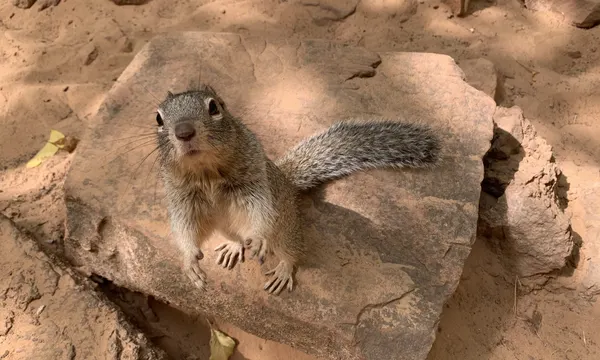
Rock Squirrel
Otospermophilus variegatus
The bold, chunky squirrel you'll encounter at nearly every trailhead and picnic area. Rock squirrels are large for ground squirrels - about the size of a small cat - and completely habituated to hikers. Don't feed them; they bite, and they can carry diseases. They're genuinely fun to watch as they dart between boulders.
Cliff Chipmunk
Neotamias dorsalis
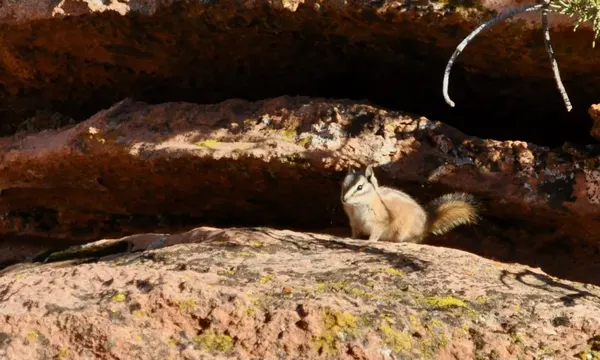
Zion's most commonly seen small mammal - quick, curious, and everywhere. Cliff chipmunks are slightly larger and more gray-toned than the chipmunks most visitors are used to seeing, and they're perfectly adapted to Zion's rocky terrain. They're active all day long and especially numerous on the shadier canyon trails.
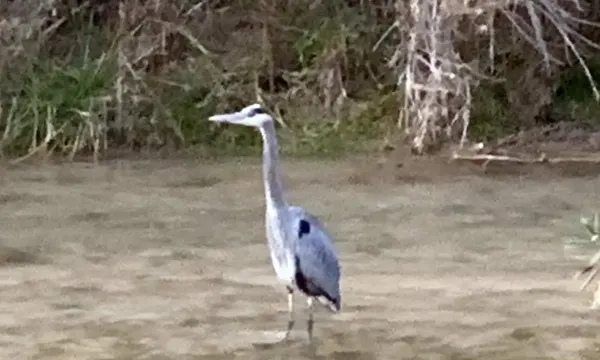
Great Blue Heron
Ardea herodias
Standing nearly four feet tall, the great blue heron is a dramatic presence along the Virgin River. They hunt by standing motionless in shallow water for minutes at a time, then striking at fish with a sudden, lightning-fast jab of their bill. Often spotted along the Pa'Rus Trail and Riverside Walk, where the river runs slow and clear - easy to miss until one lifts off with a slow, prehistoric wingbeat.

Coyote
Canis latrans
Coyotes are common throughout Zion but rarely seen in the busy main canyon during peak hours. They're most likely encountered at dawn or dusk along the Pa'Rus Trail and Watchman Trail areas, or heard howling from the canyon walls at night. Zion's coyotes are notably less bold than those in urban areas.

Mountain Lion
Puma concolor
Zion's top predator lives throughout the park, and almost no one ever sees it. Solitary, nocturnal, and secretive, the mountain lion is far more likely to watch you than to be watched - tracks in soft sand are a much better bet than a sighting.
Full guide →
Mexican Spotted Owl
Strix occidentalis lucida
A threatened canyon specialist that most visitors never know is there. Zion's cool, shady side canyons and north-facing walls are prime habitat for this rare owl - listen more than look, and don't expect an easy sighting.
Full guide →
Bald Eagle
Haliaeetus leucocephalus
A winter visitor to Zion, bald eagles migrate down from Canada and Alaska and spend the colder months along the Virgin River and its tributaries. Look for them perched high in the cottonwood trees along the canyon floor - their white head and tail and massive yellow bill make them unmistakable against the bare winter branches. Zion is a designated Important Bird Area, and the park's riparian corridor is prime wintering habitat.
Full guide →
Peregrine Falcon
Falco peregrinus
The fastest animal on earth - peregrine falcons can reach 240 mph in a hunting stoop (dive). Zion's sheer sandstone walls are prime nesting territory, and the falcons breed here each spring. Watch for them perched on cliff ledges or making dramatic vertical dives over the canyon. Certain trails close seasonally to protect active nests.
Full guide →
California Condor
Gymnogyps californianus
One of the most dramatic wildlife sightings in North America. With a wingspan approaching 10 feet, a condor circling overhead is unmistakable. By 1987 only 27 remained on earth; a captive breeding program brought them back, and Zion has been an active nesting site since the late 1990s. In 2019, the 1,000th chick in the recovery program fledged right here in Zion.
Full guide →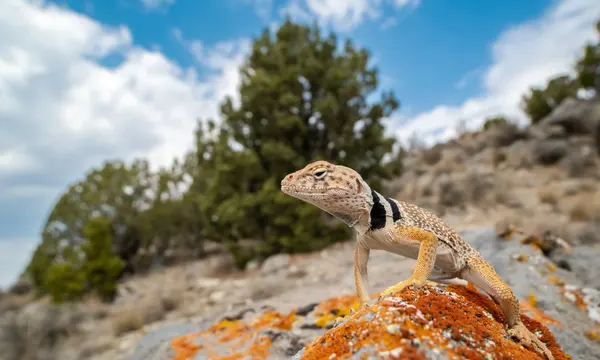
Collared Lizard
Crotaphytus bicinctores
One of Zion's most striking reptiles - males are copper-and-lime with a distinctive black-and-white collar and an oversized head. Collared lizards are fast, alert, and will run bipedally on their hind legs when startled. Commonly seen sunning on warm sandstone boulders on the east side of the park and along the lower canyon trails.
Full guide →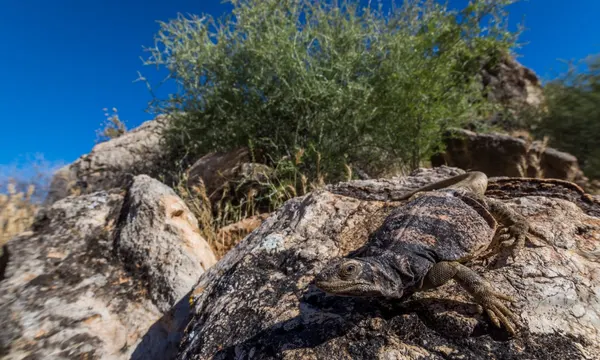
Common Chuckwalla
Sauromalus ater
Zion's largest lizard - a heavy-bodied plant-eater that wedges into rock crevices and inflates its body so nothing can pull it out. Found on rocky slopes and boulder fields in the park's lower, hotter desert terrain.
Full guide →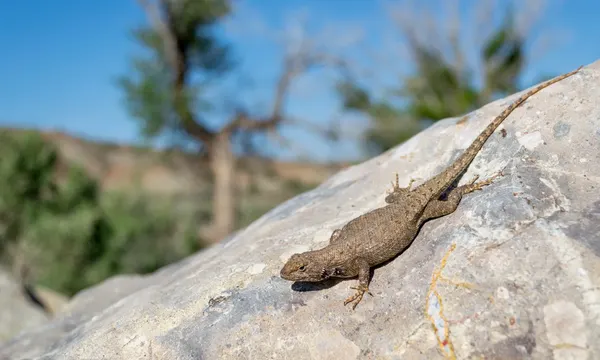
Plateau Lizard
Sceloporus tristichus
Zion's most frequently seen reptile - a small, spiny-scaled lizard found on rocks, logs, and canyon walls throughout the park. Breeding males flash blue patches on the throat and belly.
Full guide →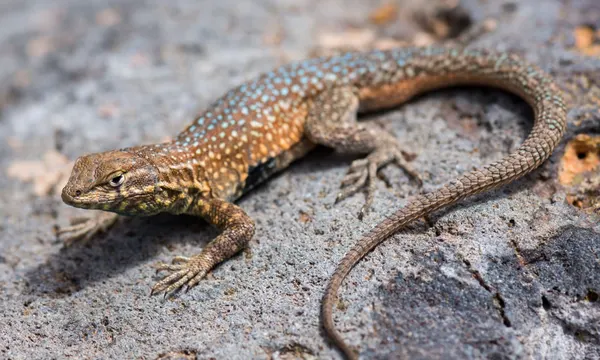
Side-blotched Lizard
Uta stansburiana elegans
Small, quick, and extremely common - named for the dark blotch behind each front leg. One of the most commonly seen reptiles in Zion's lower desert terrain, darting across open sand and rock in full sun.
Full guide →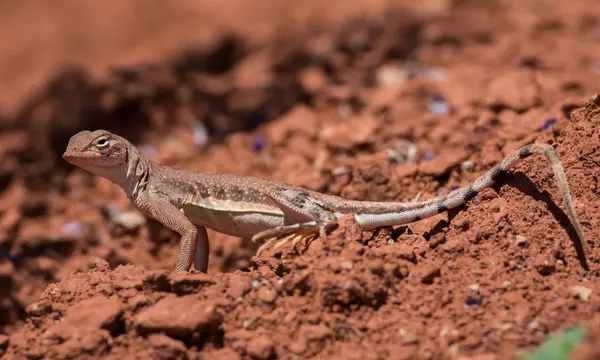
Zebra-tailed Lizard
Callisaurus draconoides rhodostictus
One of the fastest lizards in North America, named for the bold black-and-white bands on the underside of its tail. A specialist of flat, open desert in Zion's lower, hotter terrain.
Full guide →
Greater Roadrunner
Geococcyx californianus
A ground-dwelling member of the cuckoo family that runs down its meals - lizards, rodents, insects, and even rattlesnakes - instead of flying after them. An uncommon but genuine Zion resident, most likely spotted in open desert scrub and grassland at the park's lower elevations.
Full guide →
Gray Fox
Urocyon cinereoargenteus
Zion's gray foxes are elusive and almost entirely nocturnal - a nighttime encounter is a genuine treat. Smaller than a coyote, the gray fox has a salt-and-pepper coat with rusty flanks, a black-tipped tail, and large, alert eyes well-suited to low light. They're one of the few wild canids in North America capable of climbing trees, using their semi-retractable claws to escape predators or raid bird nests. During the day they den in rocky crevices, hollow logs, or dense brush throughout the canyon.
Ringtail
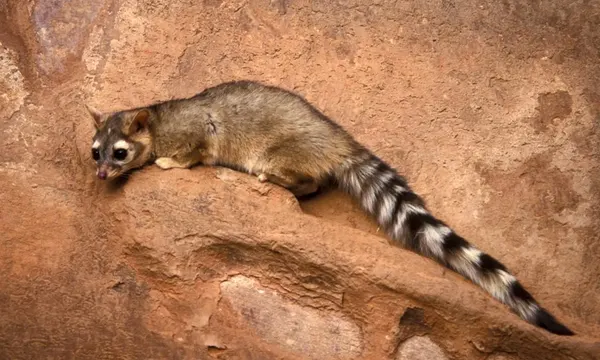
Bassariscus astutus
Zion's official state mammal of Utah - a small, cat-sized creature with enormous eyes, fox-like ears, and a spectacular striped tail longer than its body. Ringtails are strictly nocturnal and rarely seen, but they're throughout the park. Occasionally spotted near canyon campsites after dark, or heard scrambling along cliff faces. Sometimes called a "miner's cat" for their historical use as mousers in mining camps.
Gear for Wildlife Watching
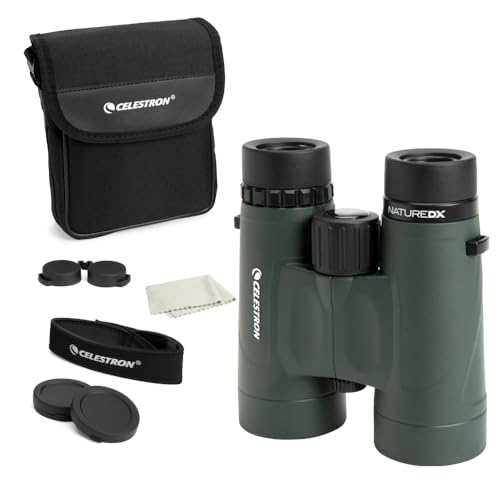
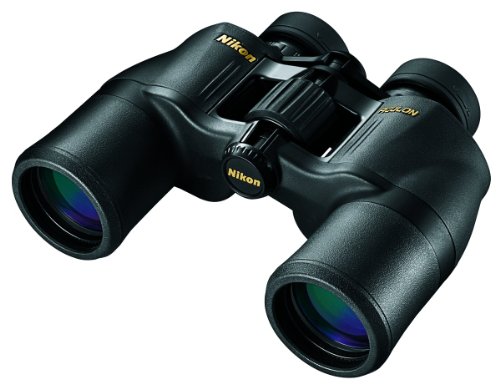
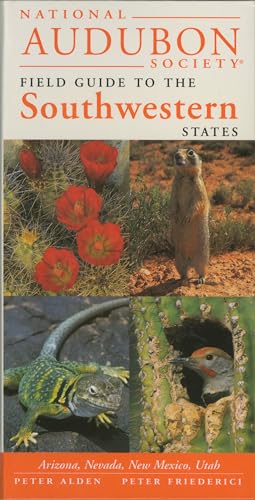
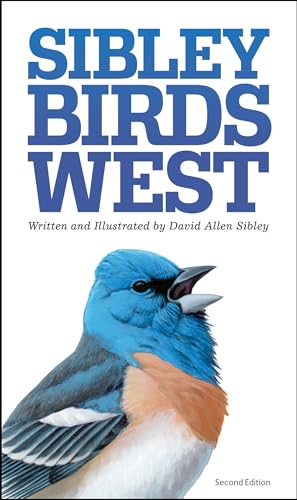
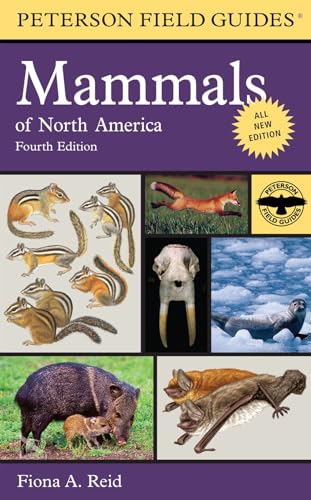
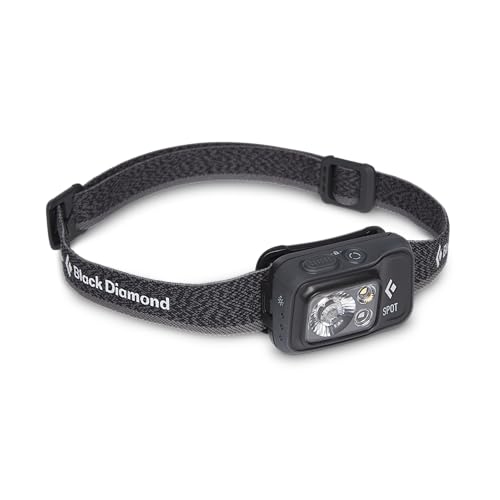
Binoculars, field guides, and essentials for spotting and identifying Zion wildlife. Best of Zion earns from qualifying Amazon purchases, at no extra cost to you.


Keep Exploring Zion
Wildlife Photography
Our gallery, camera picks, and how to photograph Zion's animals.
Photography →Trails for Spotting Wildlife
Quiet, early-morning trails give you the best odds of a sighting.
Zion hikes →Watch Zion Wildlife
Bighorn sheep, mule deer, eagles and more - filmed in the park.
Wildlife videos →