Zion Wildlife

Greater Roadrunner

Geococcyx californianus

Long before it was a cartoon, the roadrunner was a real desert bird - a ground-dwelling member of the cuckoo family that runs down lizards, rodents, and the occasional rattlesnake across Zion's lower, sun-baked terrain.

A Ground Bird in the Cuckoo Family

The greater roadrunner is an odd relative to have - a member of the cuckoo family that gave up flying for running. It's a big bird, close to two feet long counting its long tail, with shaggy brown-and-white streaked plumage, a ragged head crest, and a heavy dark bill built for grabbing prey rather than picking seeds. Look closely near the eye and you may catch a flash of bare blue-and-orange skin - patches the bird can expose during courtship or to help regulate its temperature.

Their feet leave a distinctive track: two toes point forward and two point back, printing a rough X in soft sand or dust. It's often the easier sign to find, even when the bird itself stays out of sight.

Built to Run, Not Fly

Zion's park biologists clock roadrunners around 15 mph on the ground, with faster bursts when there's a meal worth chasing. Flight is mostly a last resort - a short glide down from a perch, not real cross-country travel. That trade-off comes with a useful desert adaptation: roadrunners can excrete excess salt directly through a gland near the eyes instead of losing water through their kidneys the way most birds do, which cuts down how much they need to drink in dry country.

A Genuine Predator - Yes, Even of Rattlesnakes

Roadrunners hunt on foot, and the menu is aggressive for a bird: insects, lizards, rodents, small birds, and - the fact that made them famous - rattlesnakes. They'll close in fast, grab behind the head, and beat the snake against the ground before swallowing it, sometimes with a mate working together to bring down something too large for one bird alone. The old Looney Tunes cartoon borrows the bird's speed and desert habitat, but the real animal is a far more capable predator than the gag ever gave it credit for.

An Uncommon Zion Resident

The National Park Service lists the greater roadrunner as a permanent resident of Zion, though an uncommon one - there's no confirmed nest record inside the park, but it almost certainly breeds in the surrounding lowlands the way it does throughout its Southwest range. Nests are simple stick platforms built low in a thorny shrub or cactus, and both parents feed the chicks once they hatch.

Your best odds are in the park's lower, warmer desert scrub and grassland - open ground and fence-line perches rather than the shaded canyon floor. It's similar heat-loving terrain to where collared lizards sun themselves, and worth a scan any time you're moving through that kind of open, brushy habitat.

Gear for Wildlife Watching

Binoculars, field guides, and essentials for spotting and identifying Zion wildlife. Best of Zion earns from qualifying Amazon purchases, at no extra cost to you.
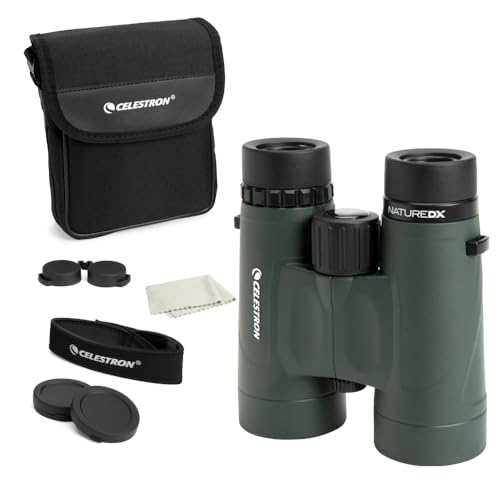
Celestron Nature DX 8x42 Binoculars
Binoculars

Celestron Nature DX 8x42 Binoculars

by Celestron

View on Amazon →
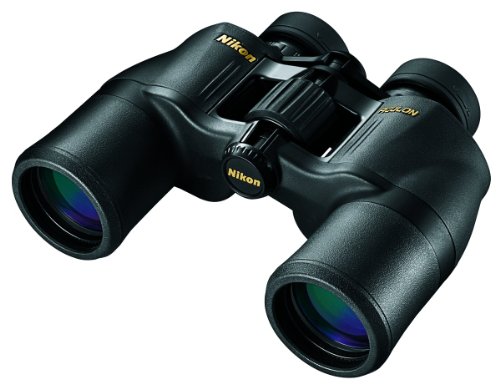
Nikon Aculon A211 8x42 Binoculars
Budget binoculars

Nikon Aculon A211 8x42 Binoculars

by Nikon

View on Amazon →
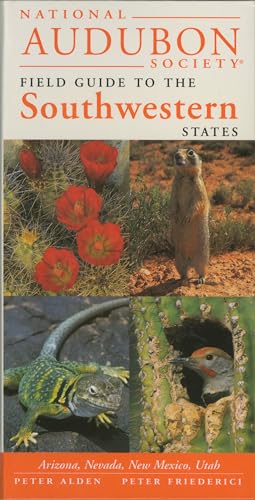
Audubon Field Guide to the Southwestern States
Regional wildlife guide

Audubon Field Guide to the Southwestern States

by National Audubon Society

View on Amazon →
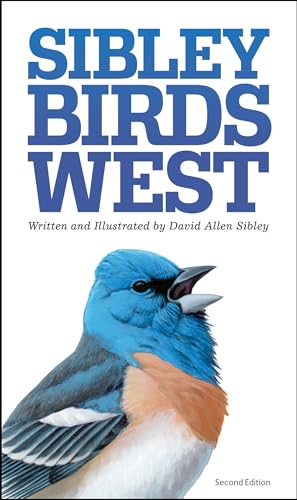
Sibley Birds West Field Guide
Bird guide

Sibley Birds West Field Guide

by David Allen Sibley

View on Amazon →
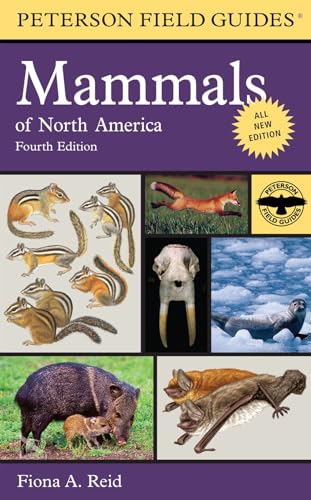
Peterson Field Guide to Mammals of North America
Mammal guide

Peterson Field Guide to Mammals of North America

by Fiona Reid

View on Amazon →
Hydro Flask 24 oz Water Bottle
Water bottle

Hydro Flask 24 oz Water Bottle

by Hydro Flask

View on Amazon →
Black Diamond Spot 400 Headlamp
Dawn/dusk headlamp

Black Diamond Spot 400 Headlamp

by Black Diamond

View on Amazon →
Rite in the Rain Weatherproof Notebook
Field notebook

Rite in the Rain Weatherproof Notebook

by Rite in the Rain

View on Amazon →