Zion Wildlife

Collared Lizard

Crotaphytus bicinctores

Copper-and-lime, big-headed, and famous for sprinting upright on its hind legs, the collared lizard is the flashiest reptile in Zion - and, on a warm day in the right slickrock, one of the easier ones to find.
The Canyon's Most Colorful Reptile

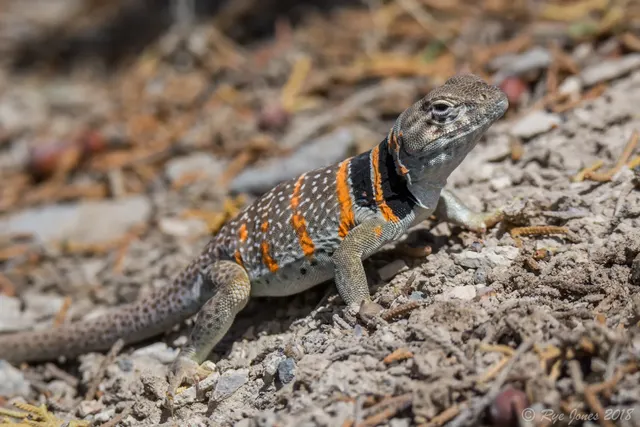
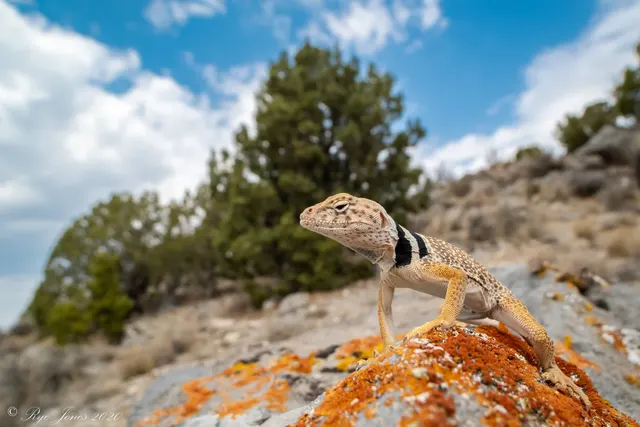
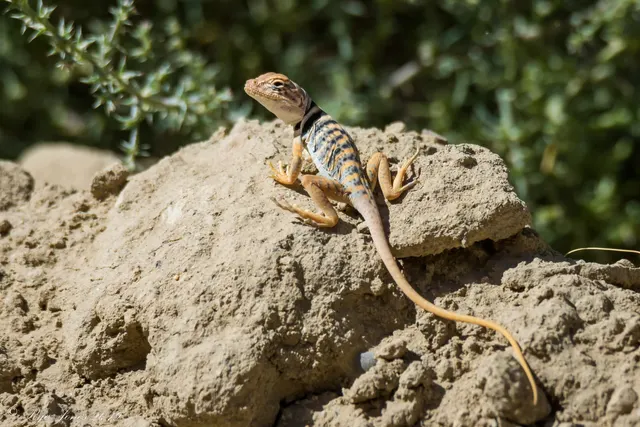
Zion's is the Great Basin collared lizard (Crotaphytus bicinctores) - a stocky, oversized-headed lizard about a foot long counting the tail, named for the two black bands across its neck. Breeding males are the ones that stop you: olive to blue-green, finely speckled with white, with a yellow wash on the throat and legs. Females and juveniles are plainer gray-brown, though a gravid female flushes orange along her sides.

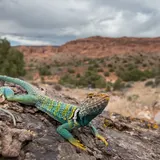
One honest correction, because the internet muddies it: the electric-turquoise "Utah" collared lizard in so many photos is usually the eastern species from the Moab side of the state. Ours is a shade more subdued - still the brightest thing on the rock, just not neon. And they earn the drama: sit-and-wait hunters that ambush grasshoppers, beetles, and even smaller lizards, they rear up and sprint on their back legs when pushed.

Where & When to Find One

Collared lizards want open, sun-warmed rock with boulders to perch on and gaps to bolt into. Good habitat inside the park includes the slickrock along the Canyon Overlook Trail and the east-side pullouts on the Zion-Mt. Carmel Highway, the upper Watchman Trail, and the hot lower-desert washes on the southwest side - Chinle, Huber, and Coalpits. Note the east-side spots take a car: the Zion Canyon shuttle serves the Scenic Drive, not the Mt. Carmel Highway.

This is the one Zion animal you don't set a dawn alarm for. Collared lizards are heat-lovers, active from mid-morning through midday once the rock is baking - roughly April through September, best from late April into June, and gone entirely in the cold months. Late April, May, and September are the sweet spot: displaying males, shoulder-season quiet, and better light in Springdale than you'll find at summer peak.

Telling It Apart - and Watching It

The tell is always the same two things: two black bands across the neck and a head that looks a size too large. The tiny brown lizard on every trail is the side-blotched lizard; the long, striped, never-still one nosing through the litter is a whiptail. Collared lizards perch; whiptails pace.

They're wary but not panicky - approach slowly and at an angle and they'll often tolerate 15 or 20 feet. Don't chase: repeatedly flushing a lizard burns the basking and hunting time it budgets, and handling or harassing wildlife is prohibited in the park anyway. Get the frame you get and walk on. For lenses and light in the canyon, see our Zion photography guide.

Gear for Wildlife Watching

Binoculars, field guides, and essentials for spotting and identifying Zion wildlife. Best of Zion earns from qualifying Amazon purchases, at no extra cost to you.
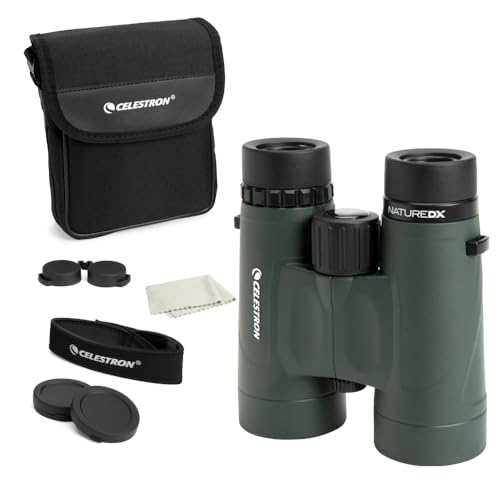
Celestron Nature DX 8x42 Binoculars
Binoculars

Celestron Nature DX 8x42 Binoculars

by Celestron

View on Amazon →
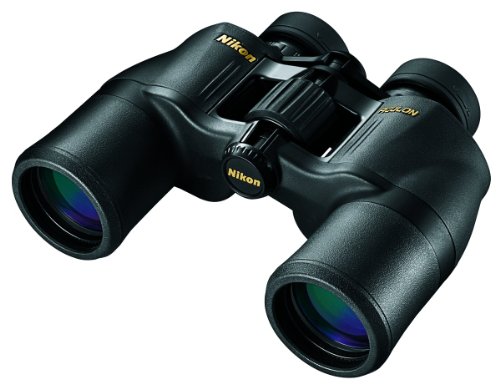
Nikon Aculon A211 8x42 Binoculars
Budget binoculars

Nikon Aculon A211 8x42 Binoculars

by Nikon

View on Amazon →
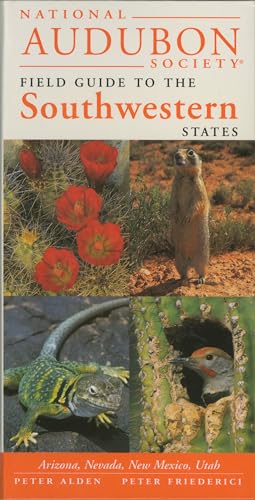
Audubon Field Guide to the Southwestern States
Regional wildlife guide

Audubon Field Guide to the Southwestern States

by National Audubon Society

View on Amazon →
Sibley Birds West Field Guide
Bird guide

Sibley Birds West Field Guide

by David Allen Sibley

View on Amazon →
Peterson Field Guide to Mammals of North America
Mammal guide

Peterson Field Guide to Mammals of North America

by Fiona Reid

View on Amazon →
Hydro Flask 24 oz Water Bottle
Water bottle

Hydro Flask 24 oz Water Bottle

by Hydro Flask

View on Amazon →
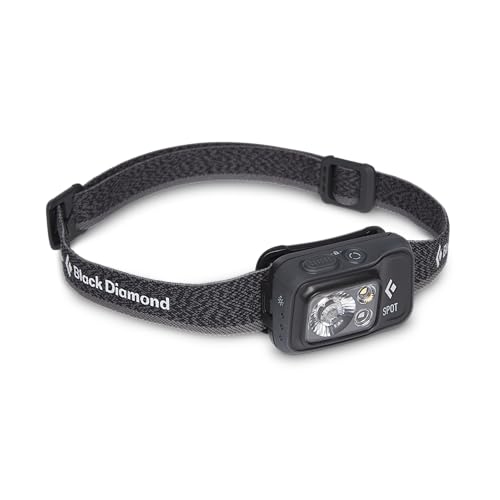
Black Diamond Spot 400 Headlamp
Dawn/dusk headlamp

Black Diamond Spot 400 Headlamp

by Black Diamond

View on Amazon →
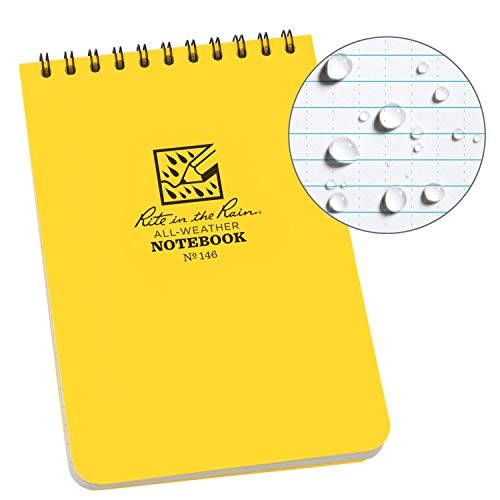
Rite in the Rain Weatherproof Notebook
Field notebook

Rite in the Rain Weatherproof Notebook

by Rite in the Rain

View on Amazon →