Trails & Hikes · Zion Canyon
Weeping Rock
A short, steep trail to one of Zion's most fascinating geological features - a natural alcove where water that fell as rain 1,200 years ago seeps through the sandstone and creates a curtain of "weeping" springs and lush hanging gardens.
Overview
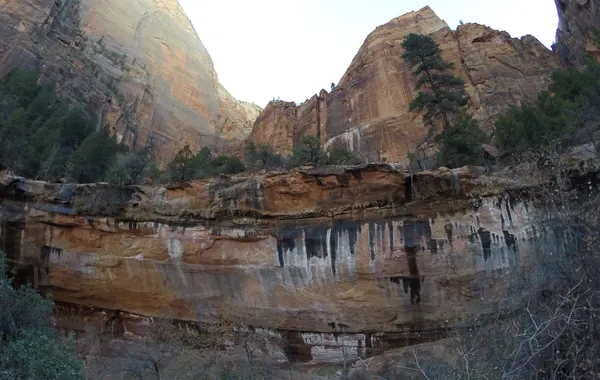
Weeping Rock is one of Zion's most unique destinations - a short, steep paved path leading to a natural overhang where water drips steadily from the ceiling like a gentle indoor rain. The water seeping through the rock is ancient: it entered the Navajo Sandstone formation high above and slowly filtered down over roughly 1,200 years, finally meeting an impermeable layer of Kayenta Shale and emerging at Weeping Rock.
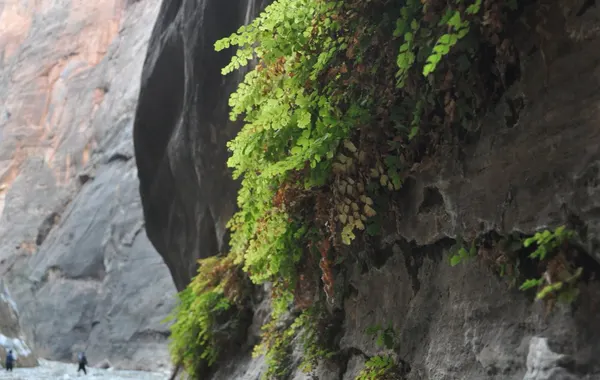
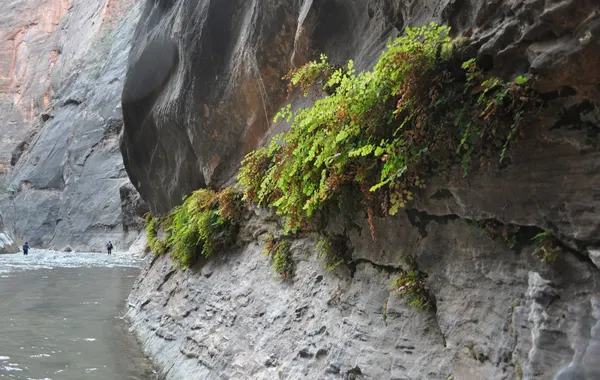
The alcove beneath the overhang supports hanging gardens of maidenhair fern, cardinal flower, and golden columbine - the same seep-fed plant community found at other spring sites throughout Zion Canyon, including along the Riverside Walk. It's a genuinely surprising oasis, and one of the most scientifically interesting spots in the park.
Trail Route
The trail starts at the Weeping Rock shuttle stop (Stop 7). The paved path climbs steeply but briefly - just 98 feet of gain over 0.25 miles - passing several stairs along the way. At the top, you step into the alcove itself. Expect to get a little wet: the curtain of water from the overhang drifts onto the trail and the rock surface stays perpetually damp.
The trail is short enough that most visitors complete the round trip in under 30 minutes. It's genuinely one of the easiest hikes in the park in terms of distance and difficulty, but the steep paved surface and stairs mean it's less stroller- and wheelchair-friendly than the Pa'Rus Trail or Riverside Walk.
Because the trail is so short, it's an easy add-on to a canyon shuttle day rather than a destination on its own. Many visitors pair it with a stop at the Grotto or a longer hike toward Hidden Canyon from the same trailhead, using Weeping Rock as a quick, low-effort break between bigger climbs.
The Science Behind the Weeping
Zion's geology makes this possible. The thick Navajo Sandstone that forms the canyon's iconic walls is porous - water percolates down through it slowly over centuries. When it hits the harder, less permeable Kayenta Shale underneath, it's forced to travel laterally until it finds a way out through the canyon walls. Wherever it emerges, hanging gardens follow.
The water at Weeping Rock is estimated to be 1,200 years old based on radioactive carbon analysis - meaning it fell as rain or snow around 800 CE, long before European contact with the region.
What makes Weeping Rock stand out from Zion's other seep sites is how visible and concentrated the process is. Instead of a scattered handful of drips across a wide cliff face, the geology here funnels the water to one overhanging alcove, so the effect reads as a single continuous curtain rather than isolated seeps. Stand beneath it and you can watch individual drops fall from dozens of points along the ceiling at once, each one tracing the same centuries-long path through the rock above.
This concentration also explains why the alcove supports such a dense hanging garden compared to smaller seeps elsewhere in the canyon. A steady, reliable water source year-round lets moisture-loving plants establish themselves in a way that a single intermittent drip could not sustain, which is part of why the spot has remained a fixture on Zion Canyon itineraries for generations of visitors.
What to Bring
- Light rain layer or hat - the water curtain drifts in the breeze and can dampen clothing near the alcove.
- Grippy, sturdy shoes - the paved surface stays wet near the top and can be slick, especially on the way down.
- Water - it's a short trail, but there's no water source at the trailhead or along the way.
- Camera - the dripping alcove and hanging gardens are among the most photogenic close-up scenes in the park.
Best Time to Go
Year-round when open. Spring is the most dramatic - higher snowmelt increases the flow and the hanging gardens are at their most vibrant. The alcove provides shade even in summer, making it a welcome cool stop during hot days. In winter, the seep can freeze into spectacular ice formations on the cliff face.
Safety
The trail is short and paved, but the alcove and the cliffs above it carry real hazards.
- Falling rock is the primary concern here - the trail has been closed multiple times because of it. Confirm current status before you go.
- The alcove floor stays wet and can be slippery underfoot, especially where the water curtain drifts onto the paved path.
- Keep children close on the switchbacks and stairs, and hold their hand across the wet, uneven pavement right at the alcove.
- Respect posted closures - do not go around barriers to reach the alcove when the trail is closed for rockfall hazard.
Tips
- Check trail status first - rockfall has closed this trail multiple times. Confirm it's open before making it part of your plan.
- Expect to get wet - the water curtain drifts, especially on windy days. Light rain gear or a hat is useful.
- Wet rock is slippery - use caution on the paved surface near the alcove, especially going down.
- Shuttle only - no personal vehicle access to the Weeping Rock stop during peak season (typically May-October).
- Combine with Echo Canyon - a longer trail to Hidden Canyon begins near the same trailhead for those wanting more.
Hiking Essentials
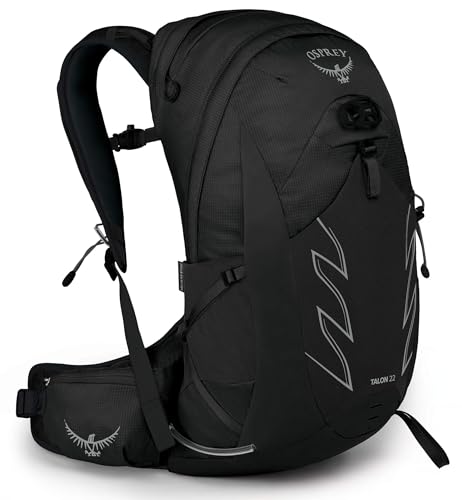
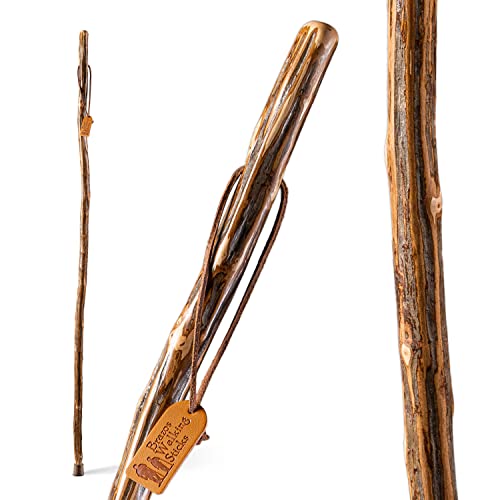
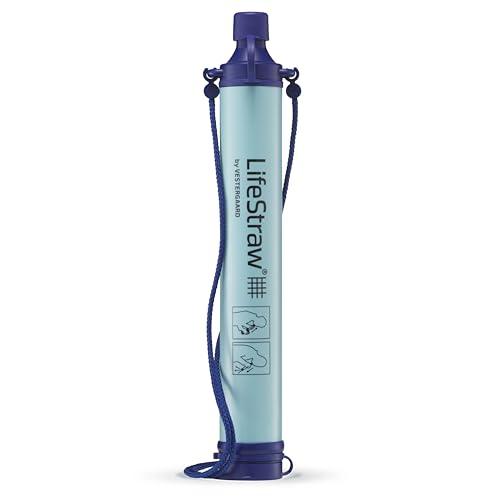
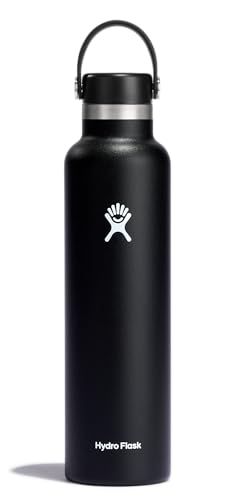
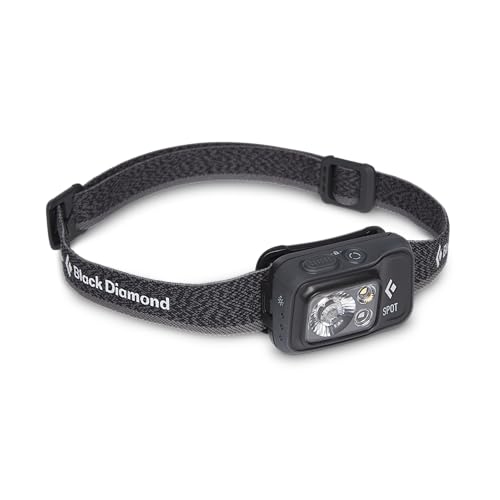
A daypack, walking stick, water, and light - the essentials for a Zion day hike. Best of Zion earns from qualifying Amazon purchases, at no extra cost to you.


Weeping Rock FAQs
What makes the rock "weep" at Weeping Rock?
Rain and snowmelt that fell on the plateau above soaked into the porous Navajo Sandstone and slowly filtered down for roughly 1,200 years. When it hits the harder, less permeable Kayenta Shale underneath, it is forced sideways and out through the canyon wall, dripping steadily from the alcove ceiling.
How long is the Weeping Rock trail?
It is a short, steep 0.5-mile round trip with about 98 feet of elevation gain. Most visitors are up to the alcove and back down in 15 to 30 minutes, making it one of the easiest destinations to fit into a canyon day.
Is Weeping Rock currently open?
The trail and the cliffs above it are subject to periodic closure due to rockfall hazard, so status can change. Always confirm current conditions at nps.gov/zion before you plan a visit.
Is Weeping Rock good for small children?
The short distance makes it appealing for families, but the paved path climbs steeply with stairs, and the surface near the alcove stays wet and can be slippery. Keep a close hand on young kids on the switchbacks and at the top.
Is Weeping Rock worth visiting in winter?
Often, yes - when temperatures drop, the seep can freeze into striking ice formations on the cliff face. It is a quick, low-effort stop, though the paved surface can ice over too, so grippy footwear matters more in winter than any other season here.
What else is near the Weeping Rock shuttle stop?
Stop 7 is also the trailhead for the longer route toward Hidden Canyon via Echo Canyon, for hikers who want more distance than the short walk to the alcove.