Trails & Hikes · Kolob Canyons
La Verkin Creek to Kolob Arch
A 14-mile round trip backcountry route starting at Lee Pass, descending to La Verkin Creek, and reaching a viewpoint of Kolob Arch - one of the world's largest natural arches. A full day, strenuous, and one of the biggest rewards in the Kolob Canyons district.
Overview
La Verkin Creek to Kolob Arch is the big backcountry outing in the Kolob Canyons district - a 14-mile round trip that starts at Lee Pass, descends into the La Verkin Creek drainage, and ends at a viewpoint of Kolob Arch, one of the world's largest natural arches. It is a full-day, strenuous commitment, and it should be treated that way from the planning stage.
With about 1,050 feet of elevation gain spread across 14 miles, the grade itself is not the main challenge - it is the sheer distance and the desert conditions along the way. This is a serious day hike that rewards hikers who come prepared with enough water, time, and a realistic sense of their own pace.
The payoff is a look at one of the largest natural arches on the planet, viewed from across the canyon rather than up close. For hikers who want the biggest single reward Kolob Canyons has to offer and are ready for a genuine full-day backcountry effort, this is the route.
The Route
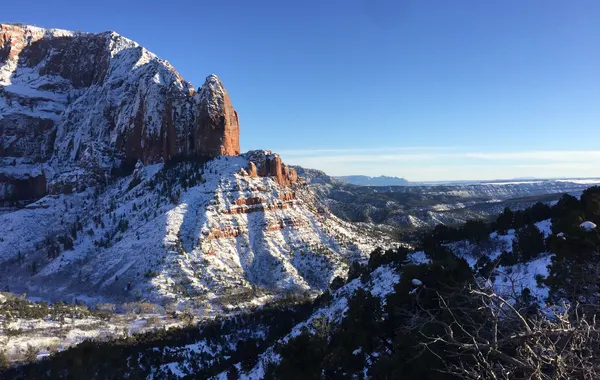
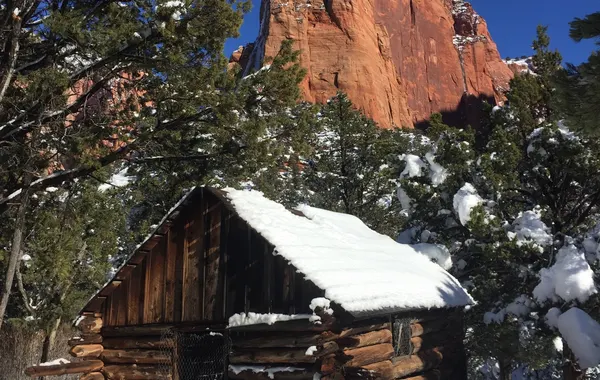
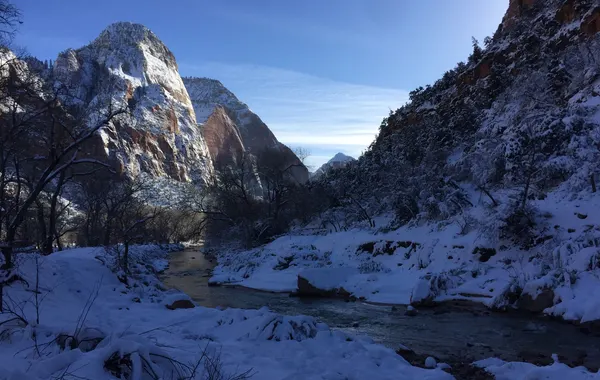
The hike begins at Lee Pass on Kolob Canyons Road and descends into the La Verkin Creek drainage. From there, the route follows the creek corridor toward Kolob Arch, with the creek itself offering the only real relief from the exposed desert terrain along much of the way.
The trail ends at a viewpoint of Kolob Arch across the canyon - not at the base of the arch. Take the time you need there before starting back, since the return trip covers the same distance and elevation gain in reverse, and fatigue tends to set in more on the way back than on the way out.
Because this is an out-and-back route with no shortcuts, the full 14 miles and roughly 1,050 feet of gain apply in both directions combined - there is no way to trim the distance short of turning around before reaching the viewpoint, which is a legitimate option if you're behind schedule or low on water.
What to Bring
- More water than you think you need - this is a 14-mile desert hike; underestimating water is the single biggest risk on this trail.
- A full day's worth of food - with a typical time in the range of 7 to 9 hours, plan real meals and snacks, not just a granola bar.
- Sun protection - a hat, sunscreen, and sun-protective clothing matter over this much exposed desert distance.
- A map or offline navigation - this is backcountry terrain, and cell coverage in the Kolob Canyons district should not be relied on.
Best Time to Go
Start early. A 7-to-9-hour day means you want maximum daylight on your side, and an early start also gets you through the hottest, most exposed stretches before peak afternoon heat. Spring and fall generally offer the most manageable temperatures for a hike this long in desert terrain; summer heat raises the stakes on water and heat management significantly, and winter can bring snow or icy sections at higher points along the route. Check current conditions before you go regardless of season.
Safety
Treat this as what it is: a full-day backcountry hike in desert terrain, not a casual outing. The distance alone is enough to turn a manageable day into a dangerous one if you run short on water, daylight, or energy partway through.
- Water and heat - 14 miles in the desert with limited shade is the defining challenge of this hike; carry more water than you expect to need and know the signs of heat exhaustion.
- Daylight math - start early enough that a 7-to-9-hour day still gets you back to the trailhead well before dark, and build in a turnaround time you'll actually stick to.
- Remote terrain - this is backcountry, with limited cell coverage and fewer other hikers around than the main canyon; let someone know your plan before you go.
- Know your turnaround point - if you're moving slower than planned or running low on water partway in, turning around before the viewpoint is the right call, not a failure.
Hiking Essentials
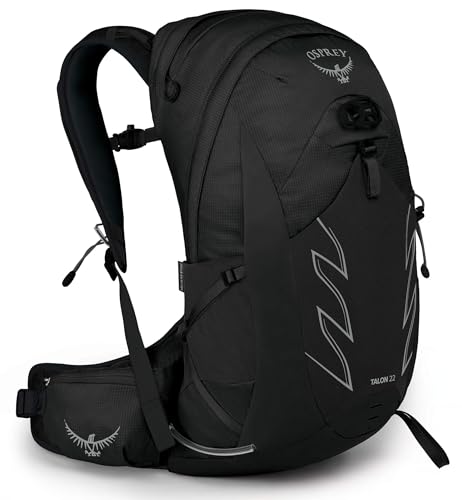
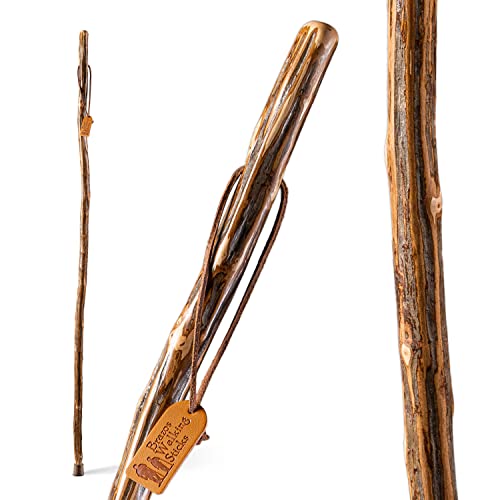
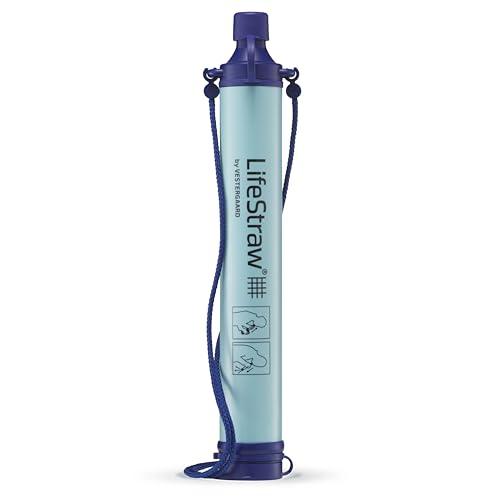
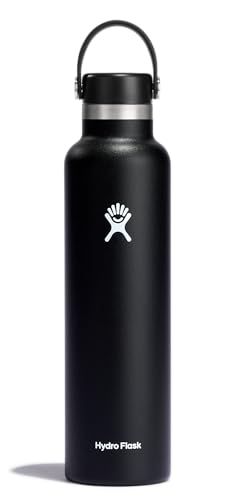
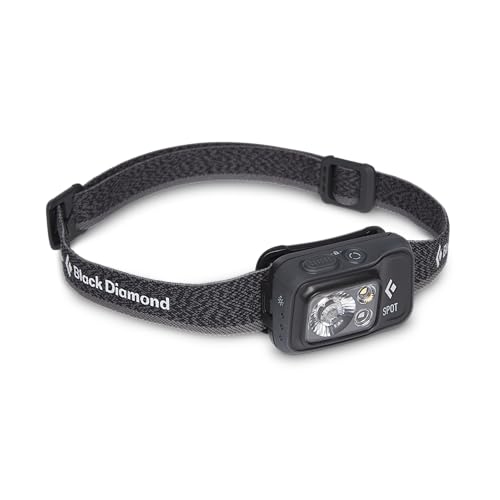
A daypack, extra water capacity, and navigation - the essentials for a full-day backcountry hike. Best of Zion earns from qualifying Amazon purchases, at no extra cost to you.


La Verkin Creek to Kolob Arch FAQs
How long of a day is the hike to Kolob Arch?
Plan on a full day - the round trip covers 14 miles with about 1,050 feet of elevation gain, and it is rated strenuous. Most hikers should budget somewhere in the range of 7 to 9 hours depending on pace and how long you linger at the viewpoint, and you should start early enough to be back at the trailhead well before dark.
Do I need a permit to day hike to Kolob Arch?
For a day hike, no permit is required. This page covers the day-hike version of the route only - if you are considering turning this into an overnight backcountry trip, check current backcountry permit requirements directly with the park before you go, since that is a separate process from a single-day visit.
Can you get up close to Kolob Arch, or just see it from a distance?
The trail brings you to a viewpoint of Kolob Arch, not to the base of the arch itself - it is one of the world's largest natural arches, seen from a distance across the canyon rather than up close. Manage your expectations accordingly: this is a long hike to a wide-canyon view of a genuinely massive feature, not a walk-up-and-touch-it destination.
How do I manage water and heat on a 14-mile desert hike like this?
Carry more water than feels necessary and start early to avoid peak heat, especially in the warmer months - 14 miles in the desert is a serious undertaking even though the trail follows La Verkin Creek for a stretch. Sun protection, a hat, and a plan for what you'll do if you're moving slower than expected all matter here. This is a backcountry route, not a short interpretive walk, and it deserves the same respect as any full-day desert hike.